The Power of Mantras: How Sacred Sounds Transform the Mind
In moments of chaos—when thoughts race endlessly and the mind refuses to rest—there exists a simple yet profoundly effective path to inner calm: the path of mantra. Far beyond the repetition of sacred words, mantra chanting is both an ancient spiritual discipline and a scientifically supported wellness practice rooted in the power of sound and vibration. It serves as a bridge between mental turbulence and deep awareness, guiding individuals toward clarity, balance, and inner peace.
The word mantra originates from Sanskrit, combining “manas” (mind) and “tra” (tool), meaning a “tool for the mind.” This definition perfectly captures its purpose. Mantras are not merely linguistic expressions; they are vibrational instruments that influence mental, emotional, and physiological states. Whether spoken aloud, whispered, or repeated silently, their rhythmic patterns create frequencies that interact with the body and mind in deeply transformative ways.
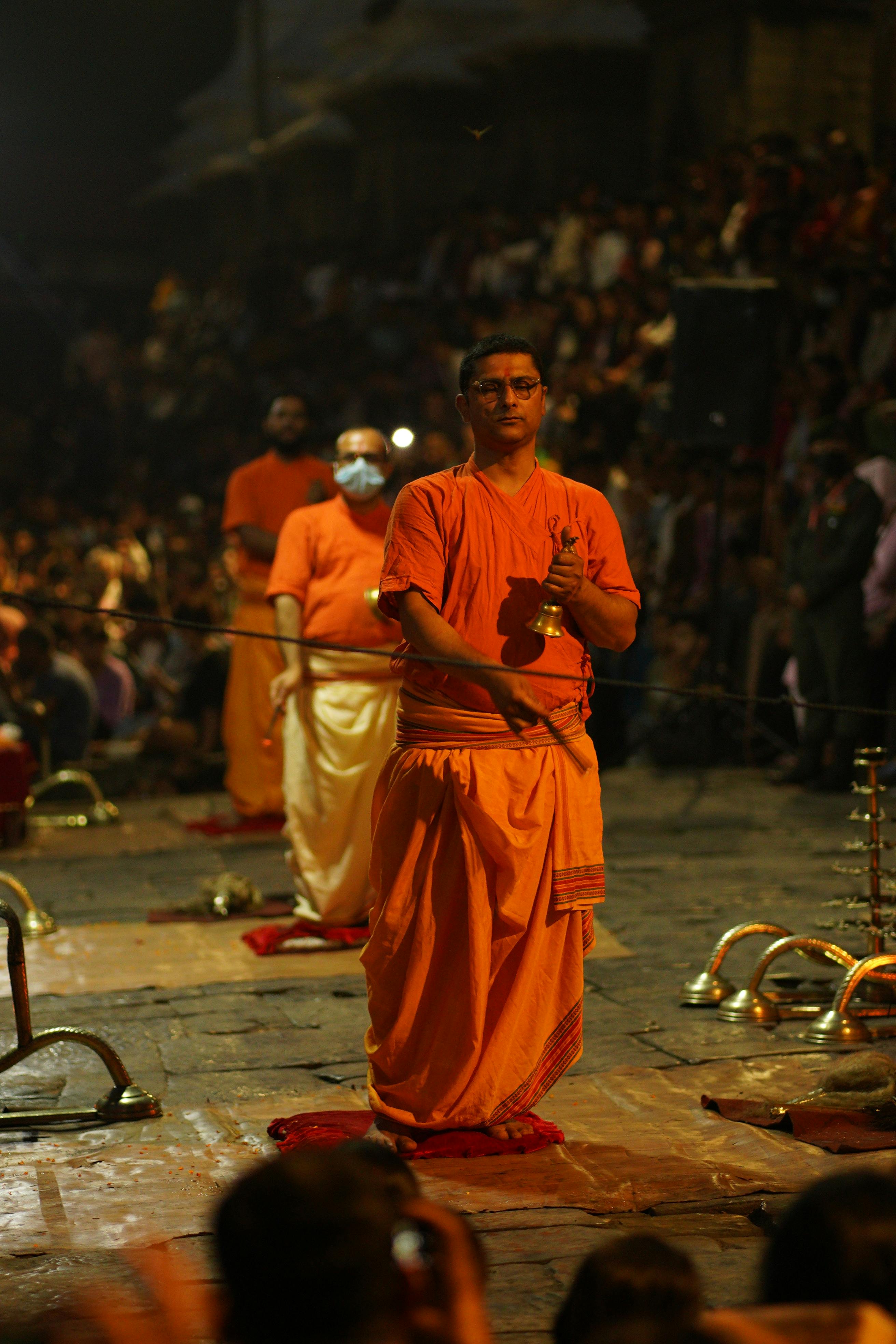
The Science of Sound and Vibration
Everything in the universe—including the human body—operates through vibration. Sound is one of the most direct and powerful ways to influence these vibrations. When a mantra is chanted, it generates specific sound waves that resonate throughout the body, impacting the nervous system, brain activity, and emotional state.
Modern science is increasingly validating what ancient traditions understood intuitively. Chanting triggers measurable neurophysiological changes, including a reduction in cortisol—the body’s primary stress hormone—and an increase in endorphins, which elevate mood and promote a sense of well-being. This dual effect creates a state of relaxed alertness, allowing the mind to remain calm yet focused.
One of the most significant physiological effects of chanting is its activation of the vagus nerve. This nerve plays a crucial role in regulating the parasympathetic nervous system—the body’s “rest and digest” mode. When stimulated through vocal vibrations and prolonged exhalation, the vagus nerve signals the body to relax, slowing the heart rate, lowering blood pressure, and easing stress responses.
This explains why even simple acts like humming, singing, or chanting can feel instantly soothing. They are not just emotional responses—they are biological reactions rooted in the body’s natural regulatory systems.
Key Ways Mantras Transform the Mind
1. Physiological Calm
Chanting acts as a natural stress regulator. By stimulating the vagus nerve, it shifts the body out of a heightened “fight or flight” state and into a calm, restorative mode. This leads to reduced anxiety, improved breathing patterns, and a deeper sense of physical relaxation.
2. Brainwave Alteration
The brain typically operates in beta waves during daily activities—associated with alertness, problem-solving, and often stress. Mantra chanting gradually shifts brain activity into alpha waves, a state linked to relaxation, creativity, and calm awareness. Many practitioners experience a sense of peace and clarity within just a few minutes of chanting.
3. Improved Focus and Cognitive Function
Regular mantra practice engages and strengthens the prefrontal cortex—the area of the brain responsible for attention, decision-making, and self-control. Over time, this enhances concentration, improves memory, and sharpens mental clarity, making it easier to navigate a world filled with distractions.
4. Emotional Regulation
Mantras help release endorphins, which improve mood and reduce symptoms of anxiety and depression. The repetitive rhythm of chanting slows down racing thoughts, creating a sense of emotional stability and resilience. It allows individuals to respond to situations more calmly rather than reacting impulsively.
5. Vibrational Resonance
Beyond their literal meaning, mantras derive power from their sound vibrations. These vibrations are believed to interact with the body’s subtle energy systems, helping clear negative patterns and promote a more balanced, positive mindset. This concept aligns with modern explorations of sound therapy and frequency-based healing.
The Transformative Power of “Om”
Among all mantras, “Om” holds a unique and universal significance. Often referred to as the primordial sound of the universe, it represents the essence of all creation.
Chanting “Om” creates a full-body resonance through three distinct sound components:
-
“Ah” — resonates in the chest, grounding the body
-
“Oo” — vibrates in the throat, enhancing expression
-
“Mm” — hums in the head, calming the mind
This progression creates a wave of vibration that travels through the entire body, aligning physical and mental energies. Equally important is the silence that follows the chant. This silence represents pure awareness—a moment where the mind is free from thought and rests in stillness.
The Power of Repetition: Japa Yoga
At the heart of mantra practice lies repetition, known as Japa Yoga. Each repetition strengthens the connection between the conscious and subconscious mind. Initially, chanting requires effort and focus. However, with consistent practice, it becomes effortless—almost automatic.
In this state, the mantra begins to “flow” within the mind. The practitioner no longer feels separate from the sound; instead, there is a sense of unity between the chanter, the vibration, and the experience itself.
This continuous rhythm dissolves mental noise and creates a deeply meditative state. Over time, it cultivates awareness, stillness, and a profound sense of inner peace.
A Practice Rooted in Both Tradition and Science
Mantra chanting is not limited to one culture or tradition. Across the world, sound has been used as a tool for healing and transformation. Gregorian chants in Christianity, sacred recitations in Hinduism and Buddhism, and indigenous healing songs all share a common principle: sound has the power to influence consciousness.
Modern research supports this ancient understanding. Studies have shown that chanting can reduce anxiety, improve mood, and enhance heart rate variability—a key indicator of a healthy and adaptable nervous system. Improved heart rate variability means the body is better equipped to handle stress and maintain balance.
This convergence of ancient wisdom and modern science makes mantra chanting both a deeply meaningful spiritual practice and a practical, evidence-based tool for mental well-being.
How to Practice Mantras
One of the greatest strengths of mantra chanting is its simplicity. It requires no special equipment—only your voice, breath, and awareness.
Methods
Mantras can be:
-
Spoken aloud for physical vibration
-
Whispered for subtle resonance
-
Repeated silently for deep mental focus
Each method offers unique benefits, and practitioners can choose what feels most natural.
Timing
Early morning and sunset are considered ideal times for chanting. During these transitional periods, the mind is naturally calmer and more receptive, allowing for deeper focus and connection.
Types
Beginners can start with simple mantras such as:
-
“Om”
-
“Shanti” (peace)
-
Or even personal words like “calm” or “strength”
The effectiveness of a mantra lies not in complexity, but in consistency and intention.
A Simple Practice to Begin
-
Sit comfortably in a quiet space
-
Close your eyes and take a few deep breaths
-
Inhale deeply and chant your chosen mantra slowly as you exhale
-
Focus on the vibration moving through your body
-
After a few minutes, sit in silence and observe how you feel
Even practicing for just 3–5 minutes daily can create noticeable shifts in mental clarity and emotional balance.
Integrating Mantras into Daily Life
Mantra chanting does not need to be confined to meditation sessions. It can be seamlessly integrated into everyday routines:
-
Morning: Begin your day with chanting to set a calm and focused tone
-
Midday: Use it as a quick reset during stressful moments
-
Evening: Chant before sleep to quiet the mind and improve rest
This flexibility makes it a highly practical tool for modern living, allowing individuals to find moments of stillness even in busy schedules.
The Spiritual Dimension
While science explains the physiological effects of chanting, its spiritual dimension adds deeper meaning. In many traditions, mantras are considered carriers of divine energy. When practiced with devotion, or bhakti, chanting becomes more than a technique—it becomes a form of connection.
In this state, the practitioner experiences a sense of unity—where the boundaries between self, sound, and the universe begin to dissolve. This fosters inner peace, self-awareness, and a deeper understanding of existence.
Chanting then evolves from a practice into an experience—one that nurtures both the mind and the soul.
Sound as a Path to Silence
Interestingly, the ultimate goal of chanting is not sound—but silence. Each repetition gradually quiets the mind, dissolving layers of thought and creating space for stillness.
It is within this silence that clarity, awareness, and inner peace emerge.
Mantras act as a bridge—from noise to stillness, from chaos to calm, from distraction to presence. They guide the mind inward, helping individuals reconnect with a deeper sense of self.
Conclusion
The power of mantras lies in their simplicity and universality. They require no belief system, no elaborate rituals—only consistency and awareness. Whether approached as a scientific method for stress reduction or a spiritual path for inner growth, mantra chanting offers a transformative experience.
In a world filled with constant noise and distraction, taking just a few minutes to chant can create a profound shift. It is an invitation to pause, breathe, and reconnect with yourself.
Ultimately, mantra chanting is not about reaching somewhere new—it is about returning home to a place of calm, clarity, and inner harmony that has always existed within you.
Because in the end, the answers we seek are not outside us—they are already within, waiting to be heard in the silence between each sound.
