From Stress to Calm: How a Daily Meditation Habit Can Ease Anxiety
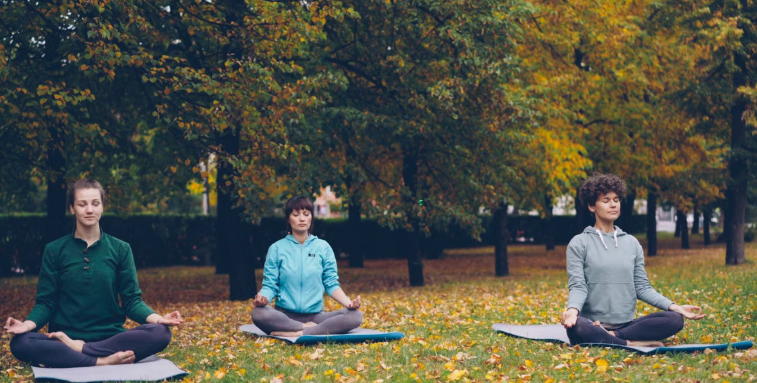
Sep 19: Anxiety can sometimes begin with something small—a busy day, an uncertain situation or a thought that refuses to go away. Before long, the mind can feel overwhelmed, making it difficult to relax even when there is nothing that needs immediate attention.
Meditation offers a simple way to create a little breathing space. By bringing attention back to the present moment, regular meditation may help people manage everyday stress and develop a calmer response to anxious thoughts.
How meditation can help
When the mind is caught in a cycle of worry, focusing on breathing can provide a simple point of attention. Instead of continuously thinking about what might happen next, a person learns to notice the present moment.
This does not mean that meditation makes unwanted thoughts disappear. Rather, it encourages people to recognise those thoughts without immediately reacting to them.
Regular practice may also help reduce the physical tension that often accompanies stress. Sitting quietly, breathing comfortably and relaxing the body can create a sense of calm.
You don’t have to clear your mind
Many beginners believe meditation means having a completely empty mind. In reality, thoughts will continue to appear.
The idea is to notice when the mind wanders and gently return attention to the breath, a mantra or another chosen focus. Over time, this simple practice can encourage greater awareness of thoughts and emotions.
For some people, sitting quietly may initially make them more aware of uncomfortable feelings. This is normal, and there is no need to judge yourself for it.
Start with just five minutes
A meditation routine does not need to take a lot of time. Beginners can start with five minutes a day and gradually increase the duration if it feels comfortable.
A simple practice can include:
- Find a quiet and comfortable place to sit.
- Keep your shoulders relaxed.
- Take slow, natural breaths.
- Pay attention to the sensation of breathing.
- When your mind wanders, gently return your attention to the breath.
- Continue for a few minutes without trying to force a particular result.
The goal is not perfection. Consistency is more important than how long you meditate.
Meditation can fit into a busy day
You do not always need to sit in a dedicated meditation space. Mindfulness can be practised while walking, drinking tea, travelling or taking a short break from work.
Even taking a few slow breaths before responding to a stressful situation can create a moment to pause rather than react immediately.
Over time, these small moments of awareness can become part of everyday life.
What does research suggest?
Research has examined mindfulness meditation as a way to manage anxiety and stress, and some studies suggest that regular mindfulness practice can reduce anxiety symptoms for certain people.
Meditation has also been studied in relation to sleep, emotional wellbeing and stress management. However, results can vary between individuals, and meditation should not be considered a guaranteed treatment for anxiety or other medical conditions.
Meditation is not a replacement for professional care
For occasional stress and everyday worries, meditation can be a useful self-care practice. But persistent or severe anxiety may require professional support.
If anxiety is affecting sleep, work, relationships or daily activities, it is important to speak with a qualified healthcare professional. Meditation can complement appropriate treatment, but it should not replace prescribed care without medical advice.
A small habit with a simple purpose
Meditation does not promise a completely stress-free life. Its value may lie in helping people create a little space between a stressful thought and their response.
Starting with just a few quiet minutes each day can be a practical way to slow down, reconnect with the present and develop greater awareness.
In a world that rarely stops, giving the mind a few minutes to pause may be one of the simplest habits worth making time for.