India-US Trade Deal Nears Finalisation as Trump Signals Key Changes in Bilateral Pact
New Delhi/Washington, Oct 21: India and the United States are reportedly moving closer to finalising a bilateral trade agreement, with US President Donald Trump indicating that the proposed pact will feature significant differences from earlier trade arrangements. According to recent statements attributed to senior officials from both countries, negotiations have entered their final stages, although some details remain unresolved.
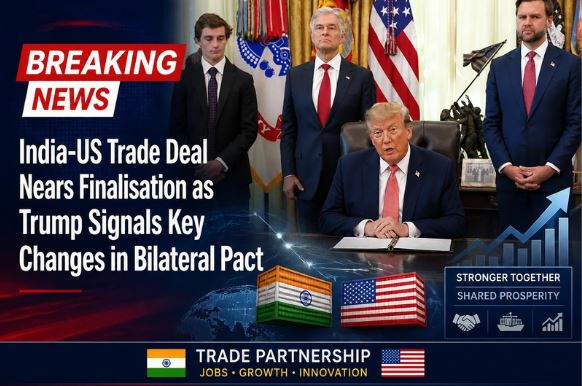
Representational Image
The development signals continued efforts by New Delhi and Washington to strengthen economic ties, address tariff-related concerns and expand commercial cooperation between the two major economies.
Trump Signals Changes in Proposed Trade Agreement
President Trump has expressed optimism about the progress of negotiations, suggesting that the emerging agreement will have a distinct structure compared with previous bilateral trade arrangements. The discussions follow more than a year of negotiations aimed at resolving differences over tariffs, market access and trade-related policies.
However, the complete terms of the proposed agreement have not yet been officially disclosed. The precise nature of the changes highlighted by Trump, along with the outstanding issues, remains unclear.
Marco Rubio Highlights Progress During India Visit
US Secretary of State Marco Rubio has also indicated that the two countries are approaching an agreement, with only a limited number of issues reportedly awaiting resolution.
His engagement with Indian officials in New Delhi forms part of broader diplomatic efforts to deepen cooperation in areas including energy, technology, defence and trade. These discussions reflect the growing importance both governments attach to their strategic and economic partnership.
Tariffs and Market Access Remain Key Issues
Trade negotiations between India and the United States have faced longstanding challenges involving import duties, access to domestic markets and regulatory differences.
The two governments established an initial framework for the first phase of a trade agreement in February, but subsequent changes in US tariff policy reportedly prompted further discussions.
Indian Commerce and Industry Minister Piyush Goyal has been involved in negotiations with US officials, including US Trade Representative Jamieson Greer, as both sides work to address outstanding commercial and regulatory concerns.
Officials Express Confidence in Final Outcome
US Ambassador to India Sergio Gor has reportedly indicated that major elements of the proposed agreement have been completed. India’s External Affairs Minister S Jaishankar has also expressed confidence in the ongoing diplomatic engagement.
Despite the positive signals, neither the complete text of the agreement nor a confirmed signing date has been announced in the information available for this report. The final outcome will depend on resolving the remaining issues and securing formal approval from both governments.
What the Deal Could Mean for India and the US
A successful agreement could provide greater clarity for businesses operating across both markets, potentially improve trade opportunities and support investment in key sectors. It could also help reduce uncertainty surrounding tariffs and strengthen economic cooperation between the two countries.
For India, the negotiations are important for expanding export opportunities while protecting domestic economic interests. For the United States, a deal could support efforts to improve market access and address trade imbalances.
For now, the positive statements from leaders and senior officials suggest that negotiations are approaching a critical stage. However, the agreement should not be considered final until both governments confirm its terms and announce its formal conclusion.
The bottom line: India and the United States appear to be making progress towards a revised trade agreement, but the final provisions, outstanding issues and signing timeline remain subject to official confirmation.