Finding Clarity in Chaos Spiritual Thoughts for Tough Times
In moments of uncertainty and disruption, many individuals find themselves searching for something steady—an inner compass that offers direction when the external world feels overwhelming. Spiritual clarity often emerges as that anchor. It helps individuals reconnect with their inner purpose, rediscover hope, and move forward with resilience even when circumstances feel unpredictable.
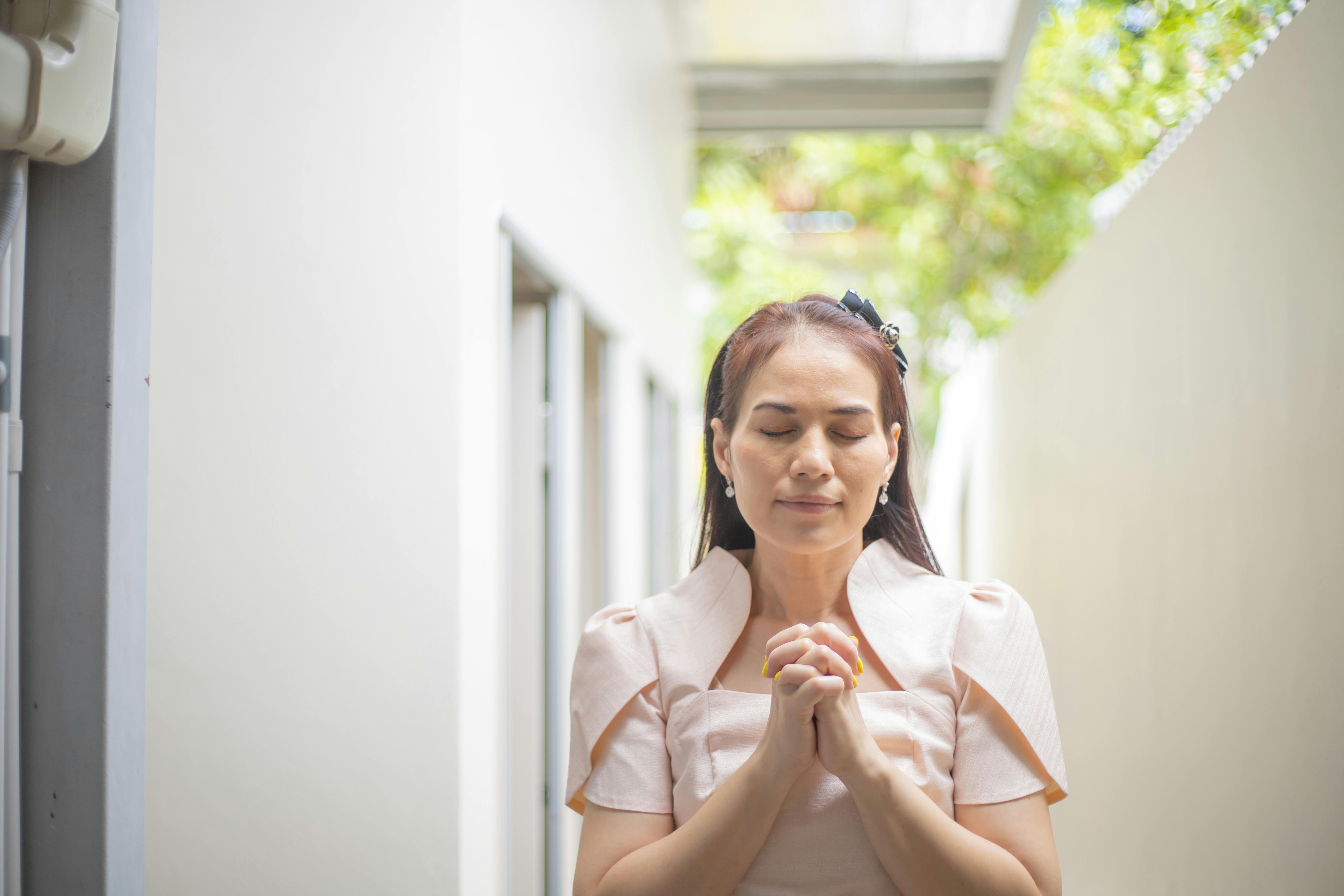
Spiritual clarity is not about escaping reality. Instead, it offers a way to engage with life more consciously and meaningfully. By fostering self-awareness and reflection, it enables individuals to process challenges with greater emotional balance, turning confusion into understanding and fear into strength.
Navigating Tough Times Through Awareness
Adversity is an unavoidable part of life. Whether personal, professional, or societal, difficult periods test emotional endurance and challenge long-held beliefs. While these experiences can feel isolating, they are universally shared. Recognizing this common human experience can reduce feelings of loneliness and encourage compassion—both for oneself and others.
When challenges are viewed solely as obstacles, they often feel defeating. However, when approached as opportunities for learning, adversity becomes a powerful teacher. Acceptance does not mean surrender; it means acknowledging reality while choosing a constructive response. This shift in perspective strengthens resilience and fosters long-term personal growth.
Spiritual Perspectives That Support Clarity
Different spiritual traditions offer varied yet complementary pathways to clarity. Mindfulness practices emphasize presence—bringing awareness to the current moment without judgment. This approach helps individuals step back from mental overload and respond thoughtfully rather than react emotionally.
Meditation further deepens this process by calming mental noise and encouraging self-reflection. Even a few minutes of daily meditation can improve emotional regulation and focus, allowing individuals to face challenges with composure.
Philosophical and religious teachings also provide guidance. Faith-based practices often center on trust and surrender, while philosophies like Stoicism emphasize distinguishing between what we can control and what we cannot. Together, these perspectives help individuals develop inner stability regardless of external conditions.
The Role of Positive Affirmations
Positive affirmations are a simple yet powerful tool for reinforcing spiritual clarity. Repeated consistently, they help reshape internal dialogue and counter negative thought patterns. Affirmations encourage self-belief, emotional strength, and optimism—qualities that are especially important during uncertain times.
Statements such as “I am capable of adapting to change” or “I trust the process of my journey” can gradually shift mindset and emotional response. When integrated into daily routines—through journaling, meditation, or reflection—affirmations become anchors of reassurance and confidence.
Grounding Through Mindfulness Practices
Mindfulness techniques offer practical ways to remain centered during emotional turbulence. Deep breathing exercises help regulate stress responses, while focused meditation promotes mental clarity. Grounding practices—such as paying attention to physical sensations or engaging with the surrounding environment—help individuals reconnect with the present moment.
These practices are not time-intensive; even brief, intentional pauses throughout the day can restore balance. Over time, mindfulness strengthens emotional awareness and equips individuals with tools to handle challenges more effectively.
Embracing Uncertainty as a Path to Growth
Uncertainty often triggers fear, yet many spiritual teachings view it as an essential part of transformation. Accepting uncertainty does not mean abandoning goals or hope—it means trusting oneself to adapt and evolve. When individuals stop resisting the unknown, they create space for intuition, insight, and inner wisdom.
Reflection practices such as journaling or silent contemplation can help individuals explore their relationship with uncertainty. These moments of introspection often reveal hidden strengths and open new perspectives, reinforcing confidence in one’s ability to navigate change.
Reconnecting with Nature for Inner Balance
Nature has long been recognized as a source of healing and clarity. Time spent outdoors—whether walking, gardening, or simply observing natural surroundings—can reduce stress and restore emotional equilibrium. Natural environments encourage mindfulness and perspective, reminding individuals of life’s rhythms and continuity.
Engaging with nature often fosters a sense of awe and belonging, helping individuals step beyond immediate worries and reconnect with a larger sense of purpose.
The Strength of Spiritual Communities
Spiritual clarity is often strengthened through shared experiences. Being part of a spiritual or reflective community provides emotional support, encouragement, and collective wisdom. Open conversations, group practices, and mentorship create safe spaces where individuals can express challenges and gain insight.
These communities reinforce the understanding that personal struggles do not need to be faced alone. Collective reflection and shared practices foster resilience and deepen spiritual connection.
Creating Your Personal Path to Clarity
The journey toward clarity is deeply personal. There is no single approach that suits everyone. By exploring practices that resonate—whether meditation, affirmations, nature, or community—individuals can build a spiritual framework that supports emotional well-being and purpose.
In times of chaos, spiritual clarity serves as a steady guide. By intentionally cultivating inner awareness and aligning with meaningful practices, individuals can navigate uncertainty with greater confidence, peace, and understanding.