Silencing the Inner Critic: How to Quiet Negative Thoughts Through Mindfulness
Negative Thoughts
Negative thoughts are unhelpful mental patterns that often revolve around self-criticism, pessimism, or rumination about past events or future uncertainties. These thoughts can arise from experiences such as difficult childhood events, critical feedback, or repeated exposure to stress. Over time, habitual negative thinking can distort perception, leading to feelings of anxiety, low self-esteem, and even depression.
The danger of negative thinking lies in its cyclical nature: one negative thought often triggers another, creating a loop that is hard to escape. This cycle can interfere with decision-making, strain relationships, and reduce overall quality of life. Developing strategies to recognize and manage these thoughts is essential for mental well-being.
Understanding Mindfulness
Mindfulness is the practice of intentionally focusing on the present moment without judgment. It involves observing thoughts, emotions, and bodily sensations as they arise, fostering awareness and acceptance. Originating in ancient meditative traditions, particularly Buddhism, mindfulness has been adapted into modern psychology to support stress reduction, emotional regulation, and cognitive clarity.
By practicing mindfulness, individuals can learn to notice negative thoughts without becoming entangled in them. This non-reactive approach reduces the influence of the inner critic and helps cultivate a calmer, more balanced mindset.
The Science of Mindfulness
Research in psychology and neuroscience shows that mindfulness can reshape the brain and improve emotional resilience. Meditation and mindful awareness have been associated with increased gray matter in the hippocampus, a region responsible for memory and emotional regulation, and reduced activity in the amygdala, the brain’s fear and stress center. These changes enhance one’s ability to manage negative emotions and respond thoughtfully rather than reactively.
Psychologically, mindfulness improves awareness of recurring thought patterns, allowing individuals to respond to negative thoughts with curiosity rather than judgment. This practice helps create mental space for balanced thinking and promotes emotional stability.
Practical Mindfulness Techniques
1. Focused Breathing
Concentrate on your breath for a few minutes each day. Inhale deeply through the nose, hold for a count of four, and exhale slowly through the mouth for a count of six. Focused breathing helps anchor attention in the present and reduces anxiety.
2. Body Scans
Lie down comfortably and observe each part of your body from toes to head. Notice any sensations, tension, or discomfort without judgment. Body scans cultivate awareness and encourage relaxation.
3. Mindful Walking
While walking, pay attention to each step, the rhythm of your breath, and surrounding sounds. Engaging with the environment in this intentional way promotes mindfulness and presence.
4. Meditation
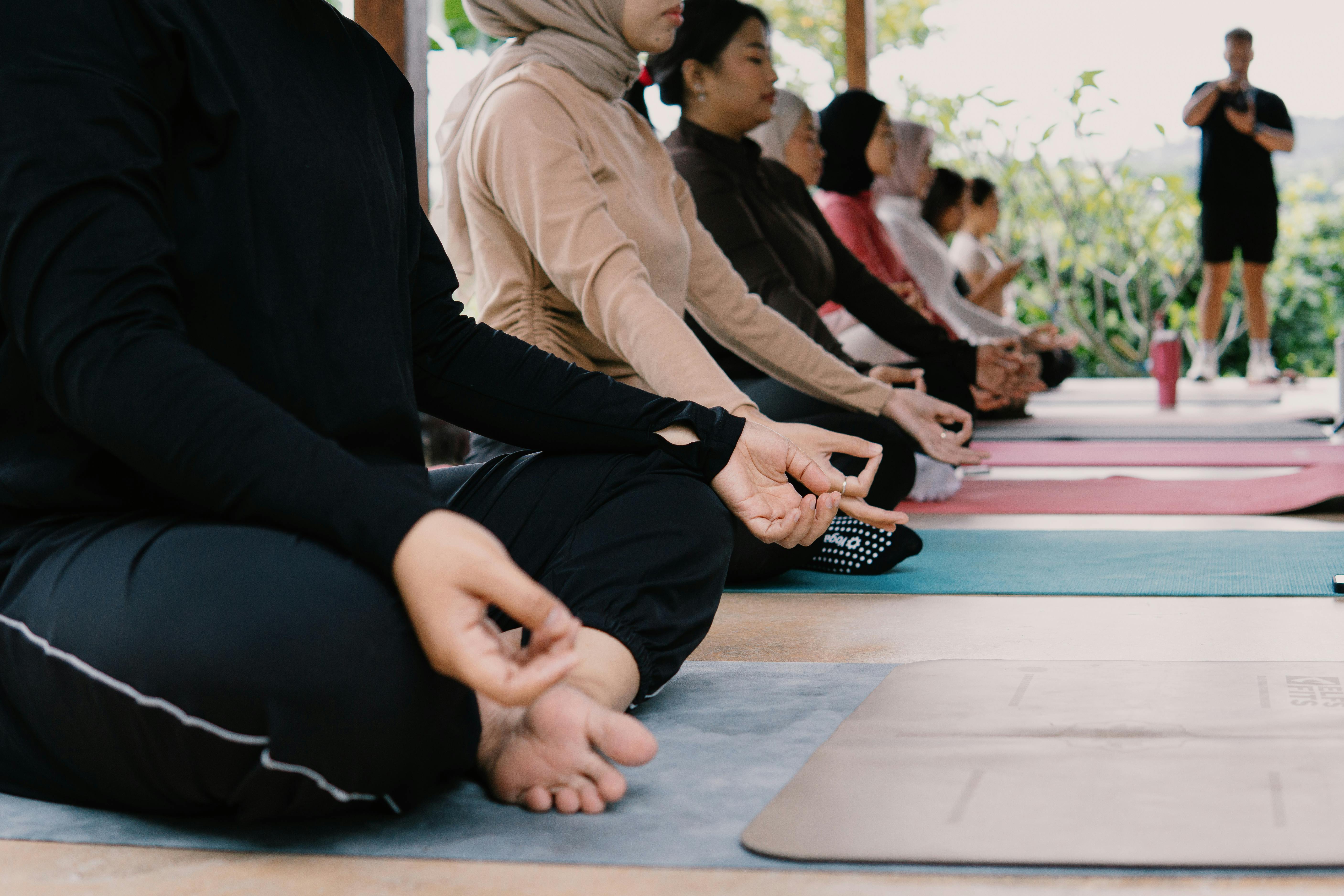
Set aside time in a quiet space to meditate. Focus on your breath, a mantra, or bodily sensations. When negative thoughts arise, acknowledge them without judgment and gently return your focus to your anchor point.
Building a Mindfulness Practice
-
Dedicate Time Daily: Start with 5–10 minutes, gradually increasing duration.
-
Choose a Comfortable Space: A quiet, comfortable area free from distractions enhances practice.
-
Integrate Mindfulness Into Daily Life: Practice during meals, commuting, or short breaks to cultivate continuous awareness.
-
Be Patient: Mindfulness is a skill that grows over time; approach practice with self-compassion and persistence.
Overcoming Challenges
Common obstacles include external distractions, impatience, and self-judgment. Creating a dedicated mindfulness space, using guided meditation apps, and starting with short sessions can help overcome these barriers. Remember, mindfulness is about awareness, not perfection.
Real-Life Examples
John, a corporate professional, struggled with self-doubt and workplace anxiety. By dedicating 10 minutes daily to mindfulness meditation, he learned to observe negative thoughts without judgment. Over time, his stress levels decreased, focus improved, and he developed a calmer approach to challenges.
Susan, a student dealing with academic pressure, adopted breathing exercises and body scans to manage perfectionism and self-criticism. These practices helped her redirect attention from negative thoughts, improving her confidence and academic performance.
Integrating Mindfulness with Therapy
Mindfulness pairs effectively with Cognitive Behavioral Therapy (CBT), which identifies and reframes negative thought patterns. Combining mindfulness with CBT helps individuals become aware of negative thoughts before challenging them, fostering emotional resilience. It also complements positive psychology practices, such as gratitude exercises, which focus attention on positive experiences and strengths.
Conclusion
Mindfulness offers a practical and evidence-based approach to managing negative thoughts. By observing thoughts without judgment, practicing focused exercises, and integrating these techniques into daily life, individuals can cultivate a calmer, more balanced mind.
The journey to quiet the inner critic is ongoing, but with consistent practice, mindfulness can transform your relationship with negative thoughts, fostering emotional resilience, mental clarity, and overall well-being.