Meditation for Mind and Body: Boost Health and Reduce Stress
Meditation is a practice embraced for thousands of years, originating from diverse ancient traditions and cultures. It involves training the mind to focus and redirect thoughts, often leading to calmness and clarity. Various forms exist, including mindfulness, transcendental, guided visualization, and Zen meditation. Each approach enhances self-awareness, promotes relaxation, and fosters a deeper connection with oneself.
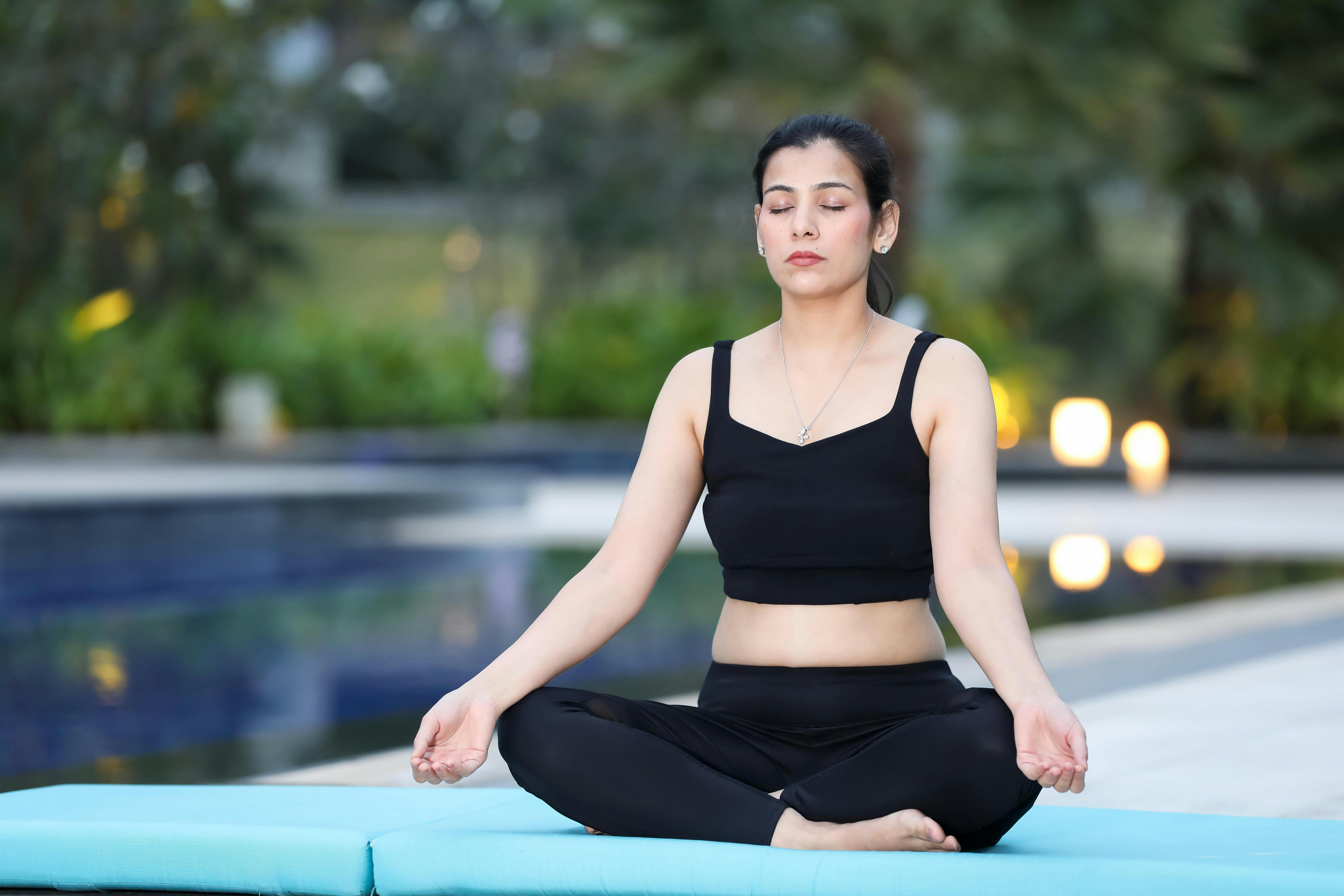
Meditation in Modern Life
In recent years, meditation has gained significant traction for its mental and physical health benefits. People increasingly seek effective ways to manage stress, anxiety, and daily pressures, and meditation offers a practical tool for cultivating inner peace. Research now highlights meditation’s advantages not only for mental well-being but also for physical health, which is the focus of this article.
Understanding the Mind-Body Connection
The mind-body connection shows how mental states influence physical health. Emotions, thoughts, and beliefs can manifest as physical symptoms or boost overall well-being. Chronic stress, for example, can contribute to hypertension or weakened immunity, while positive mental states can enhance physical resilience. Meditation strengthens this connection by fostering mindfulness, emotional regulation, and awareness of stressors, which in turn positively affects physiological health.
Stress Reduction and Its Physical Effects
Meditation is renowned for its ability to reduce stress. By lowering cortisol levels—the stress hormone—it helps prevent inflammation, high blood pressure, and sleep disruptions. Regular practice promotes relaxation and emotional resilience, protecting the body from chronic stress. Individuals who meditate consistently often report lower anxiety, improved immune function, and better overall health outcomes.
Enhancing Cardiovascular Health
Meditation also benefits cardiovascular health by lowering blood pressure and heart rate. Stress reduction through meditation promotes smoother blood flow and healthier blood vessels, reducing the risk of heart-related issues. Techniques such as mindfulness and transcendental meditation have been linked to measurable improvements in heart function, reinforcing the importance of relaxation practices for long-term cardiovascular well-being.
Boosting Immune Response
Studies show that meditation can enhance immune function. Regular practice increases antibody production and reduces inflammation, strengthening the body’s defenses against illness. By mitigating stress-related immune suppression, meditation creates a supportive environment for overall health and resilience, highlighting its value as a holistic wellness tool.
Meditation for Pain Management
Meditation is increasingly recognized as a non-pharmacological approach to managing chronic pain. Mindfulness practices activate brain regions involved in pain regulation, reducing pain perception and improving coping strategies. Techniques like transcendental meditation and guided mindfulness have demonstrated measurable reductions in pain intensity and improved quality of life for those with persistent discomfort.
Improving Sleep and Recovery
Meditation promotes better sleep by lowering stress and calming the mind. Practices like guided imagery and mindfulness help reduce heart rate and cortisol levels, supporting restorative sleep cycles. Quality sleep enhances physical recovery, cognitive function, and emotional balance, making meditation a key component of holistic health routines.
Cultivating Mindfulness for Physical Awareness
Mindfulness meditation enhances awareness of bodily sensations, supporting healthier lifestyle choices. Practitioners often develop more conscious eating habits, increased motivation for physical activity, and reduced stress-related behaviors. By fostering a strong mind-body connection, mindfulness encourages self-compassion and promotes long-term physical well-being.
Conclusion: Embrace Meditation for a Healthier Life
Regular meditation can reduce stress, lower blood pressure, improve immunity, enhance sleep, and strengthen mind-body awareness. Anyone can begin, whether through guided sessions, mindfulness practices, or deep breathing exercises. Platforms like Headspace and Calm, as well as local meditation centers, provide accessible support. Incorporating meditation into daily life is more than a practice—it is a lifestyle choice that nurtures physical health, mental clarity, and emotional balance.
