Integrating Meditation into a Busy Lifestyle: Tips and Strategies
Fast-paced world, where demands never seem to cease and time is always scarce, meditation has emerged as an essential tool for maintaining mental balance and emotional health. The constant juggling of work, family responsibilities, and personal commitments can often lead to stress, anxiety, and a feeling of overwhelm. Meditation offers a powerful antidote, providing moments of stillness that help restore peace amidst the chaos. By taking the time to pause, reflect, and reset, individuals can significantly improve their focus, emotional resilience, and overall well-being.
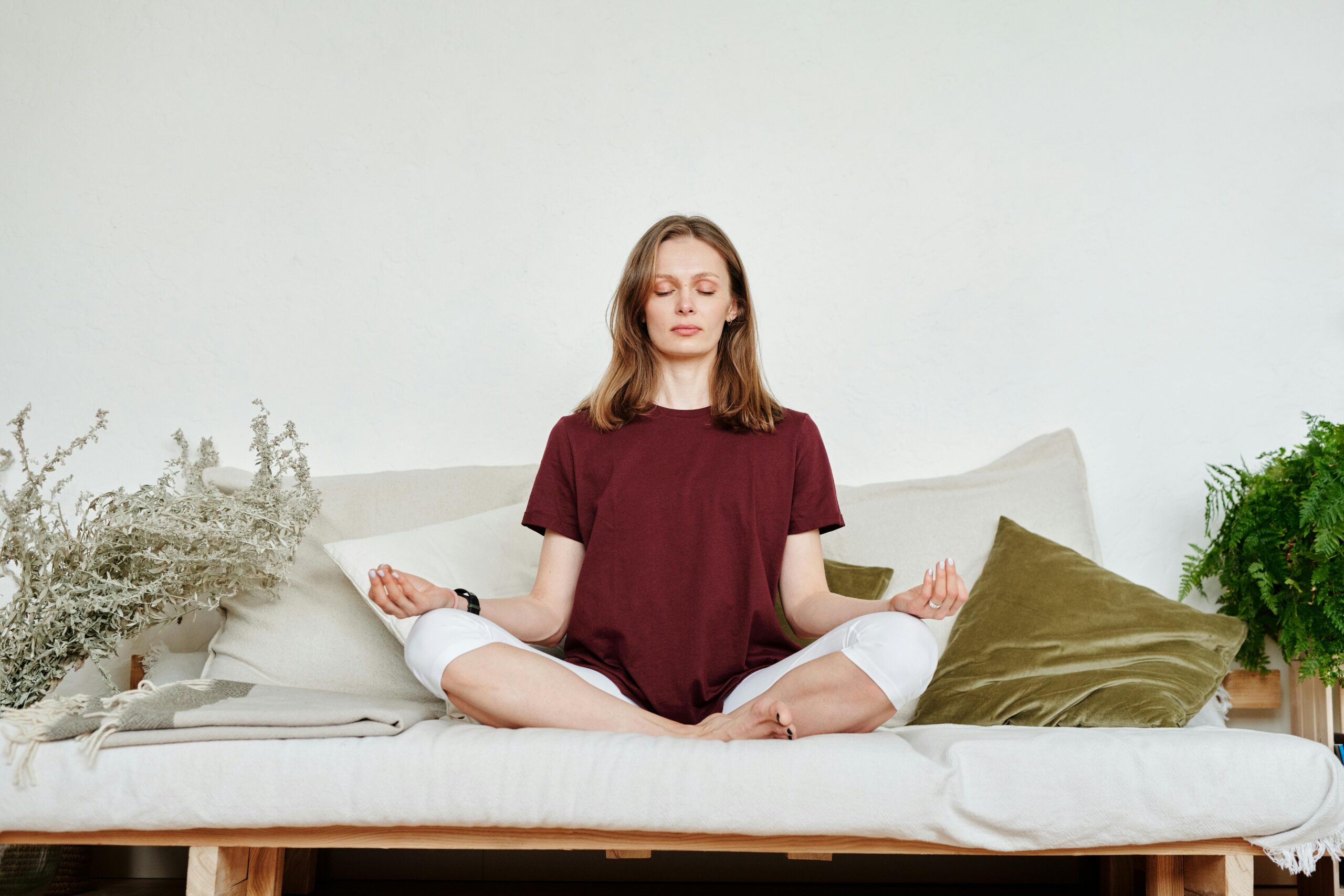
The Power of Meditation in Modern Life
Meditation isn’t just about relaxation; it’s a strategic tool for mental clarity, self-awareness, and emotional control. Extensive research has highlighted its many benefits, including stress reduction, enhanced concentration, and improved emotional health. By engaging in regular meditation, even the busiest individuals can cultivate mindfulness and emotional balance, leading to greater clarity and the ability to navigate demanding situations with composure.
Moreover, meditation fosters a deeper sense of self-awareness. By regularly practicing mindfulness, people become more attuned to their emotional states, allowing them to respond to challenges with greater emotional intelligence. In a world where stress often feels like a constant companion, meditation offers a refuge, enabling individuals to maintain a sense of equilibrium even in the face of adversity.
Assessing Your Schedule: Finding Time for Mindfulness
To integrate meditation into your busy life, it’s crucial to first evaluate your daily routine. Start by tracking your time for a week to gain a clearer picture of how your day is spent. Identify the fixed commitments—work, family obligations, errands—and look for natural gaps or free moments where meditation can fit. By becoming more aware of your schedule, you can begin to carve out time for mindfulness without overwhelming yourself.
Recognizing Opportunities for Meditation
Once you’ve mapped out your routine, identify moments throughout the day when meditation can naturally take place. These don’t need to be long periods; even five to ten minutes can be incredibly effective. Whether it’s a brief break during work, the commute to and from your office, or the quiet moments before bed, small windows of time can become valuable opportunities for meditation. The key is to remain flexible and adaptable, allowing your practice to flow around your other responsibilities.
Setting Priorities and Crafting a Flexible Meditation Plan
Prioritizing your tasks is essential when trying to fit meditation into an already packed schedule. Not every task demands your immediate attention, so consider what can be delegated, postponed, or adjusted. Once you’ve identified essential tasks, you’ll find more room to dedicate time for meditation. Using digital calendars, reminders, or productivity apps can also help you manage your priorities, keeping your meditation practice at the forefront.
Crafting a flexible meditation plan that aligns with your schedule is essential. Start small and remain open to adjusting the timing and duration of your practice as necessary. Consistency is key, but so is flexibility—your routine should evolve based on the flow of your day. A fluid approach will make it easier to maintain a regular practice without feeling burdened by it.
Short, Effective Meditation Techniques
When time is tight, short and effective meditation techniques can provide significant benefits. These methods allow you to integrate mindfulness into your day without requiring extended periods of time. Here are a few practical techniques that can easily fit into a busy lifestyle:
-
Mindfulness Meditation: This simple practice involves focusing on the present moment, typically by concentrating on your breath. A quick mindfulness session—five to ten minutes—can provide clarity and calm. You can incorporate a basic breathing exercise: inhale for four counts, hold for four, and exhale for six, helping to center your mind before diving back into tasks.
-
Breathing Exercises: Techniques like the 4-7-8 breathing method can be practiced almost anywhere, whether you’re sitting at your desk, waiting in line, or commuting. Inhale for four seconds, hold for seven, and exhale for eight. This technique helps lower stress levels and brings a sense of calm, perfect for grounding yourself during a busy day.
-
Guided Meditation: If you find it difficult to meditate on your own, consider using guided meditation. Many apps and online platforms offer short, structured sessions that last five to ten minutes. These sessions are designed to help guide you through the meditation process, promoting relaxation and mental clarity in a short amount of time.
By engaging in these short, targeted practices, you can reap the benefits of meditation without taking up too much time in your day.
Creating a Meditation Routine That Works for You
To truly integrate meditation into your life, it’s helpful to establish a routine that feels achievable. Start by setting realistic goals that match your schedule. Begin with brief sessions—perhaps just five minutes in the morning or before bed—and build up from there as you become more accustomed to the practice.
It’s also important to choose a consistent time for meditation. Whether it’s as soon as you wake up, during a lunch break, or before going to sleep, consistency helps build a habit. Over time, meditation will become a natural part of your day. Creating a comfortable and dedicated space for your practice can also enhance the experience. Choose a quiet, peaceful area, whether it’s a corner of your room or a cozy spot in your office. Personalize this space with calming elements, such as cushions, candles, or soothing sounds, to create an inviting environment that encourages regular practice.
Leveraging Technology for On-the-Go Meditation
Technology has made meditation more accessible than ever. Various apps and online platforms allow you to meditate on the go, fitting mindfulness into even the busiest days. Apps like Headspace, Calm, and Insight Timer offer guided meditations that can be tailored to your specific needs and time constraints. Whether you need a quick break or a longer, more immersive session, these tools can help you stay consistent with your practice.
Many of these apps also offer customizable features, such as timers, reminders, and progress tracking, to help you build a sustainable meditation habit. By incorporating these tools into your routine, you can take advantage of the wealth of resources available to support your mental wellness.
Mindful Moments: Small Opportunities for Meditation Throughout the Day
If finding dedicated time for formal meditation feels challenging, you can still incorporate mindfulness into everyday moments. The key is to turn mundane activities into opportunities for mindfulness. Here are a few ways to infuse mindfulness into your daily routine:
-
Mindful Walking: Whether it’s a stroll in the park or walking between meetings, focus on the sensation of your feet touching the ground and the rhythm of your breath. This practice can help you feel grounded and present throughout the day.
-
Mindful Eating: Slow down and fully engage with the experience of eating. Pay attention to the flavors, textures, and aromas of your food. This practice encourages healthier eating habits and transforms mealtime into a mindful experience.
-
Breathing During Commutes: Instead of letting your commute stress you out, use this time to practice deep, slow breathing. Focus on your breath as you drive or ride public transport, which helps reset your mind before reaching your destination.
Overcoming Obstacles to Meditation
While integrating meditation into a busy schedule can be challenging, there are several ways to overcome common obstacles:
-
Time Constraints: Many believe they need long sessions to reap the benefits of meditation, but even brief sessions of five to ten minutes can make a significant impact. Set aside small pockets of time throughout the day, such as during breaks or while waiting, to meditate.
-
Distractions: External and internal distractions are common barriers to meditation. To minimize distractions, create a designated space for meditation, even if it’s just a corner in your room or a quiet area at work. Using guided meditations or ambient sounds can also help you stay focused.
-
Lack of Motivation: Staying motivated can be difficult, especially when immediate results aren’t visible. Set achievable goals, and remember that consistency is more important than duration. If you need additional support, join a meditation group or partner with a friend to practice together.
Building a Support System for Meditation
A strong support system can make it easier to maintain a meditation practice. Consider joining local meditation groups or online communities to connect with others who share your commitment to mindfulness. These groups provide a sense of accountability and can help motivate you to stay on track.
Additionally, invite a friend or family member to meditate with you. Sharing the experience creates a deeper bond and provides mutual encouragement. The support of a community can enrich your meditation journey and make the practice feel more rewarding.
Reflecting on Your Progress
To fully appreciate the benefits of meditation, it’s important to periodically reflect on your progress. Keeping a journal of your meditation sessions can help track changes in your mood, focus, and overall mental clarity. Over time, you’ll begin to notice the positive effects on your emotional resilience, stress levels, and overall well-being.
Remember, meditation is a journey that evolves with your life. Be flexible, adapt your practice as needed, and celebrate your progress along the way. By reflecting on your growth and the positive changes that result from meditation, you can strengthen your commitment and cultivate a sustainable practice that fits seamlessly into your busy lifestyle.
Conclusion
Incorporating meditation into a busy lifestyle is not only achievable but essential for mental clarity and emotional balance. By assessing your schedule, utilizing technology, and embracing mindfulness throughout the day, you can create a meditation routine that enhances your overall well-being. With commitment, flexibility, and support, meditation can become an integral part of your life, offering peace and perspective in the midst of life’s demands.