How Meditation Improves Emotional Balance
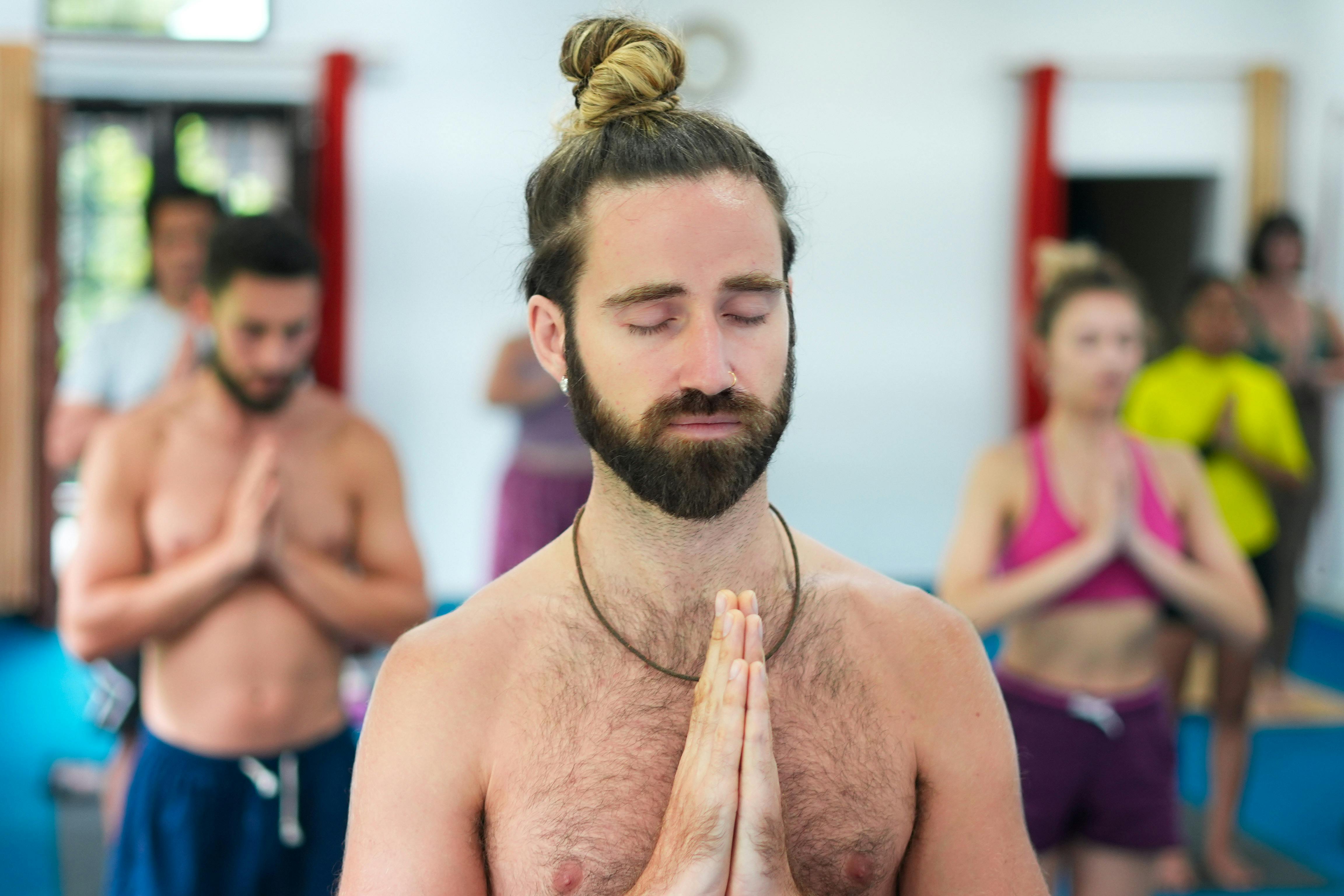
Meditation and Emotional Balance: A Scientific Perspective
Meditation is widely recognized for benefits that extend well beyond relaxation, with scientific research showing measurable changes in brain function and emotional health. Regular practice has been linked to increased volume in the prefrontal cortex and hippocampus—areas responsible for emotional regulation and memory—while also reducing activity in the amygdala, the brain’s stress and fear center. Studies and meta-analyses consistently show that meditation lowers cortisol levels, helping reduce anxiety, depression, and chronic stress, and enhances emotional resilience. Together, these findings indicate that meditation strengthens the brain’s ability to manage stress thoughtfully, enabling calmer, more balanced responses to challenging situations.
Types of Meditation Practices for Emotional Balance
Meditation encompasses diverse techniques, each offering unique benefits for emotional balance:
-
Mindfulness Meditation – Focuses on the present moment without judgment, cultivating awareness of thoughts, feelings, and bodily sensations. This awareness fosters resilience and emotional stability.
-
Mantra-Based Meditation – Involves repeating a word or phrase to maintain concentration and calm the mind. This redirection of thoughts helps transcend negative emotions, reinforcing positive mental patterns.
-
Loving-Kindness Meditation (Metta) – Encourages the development of love and compassion toward oneself and others. By gradually extending these feelings outward, practitioners enhance empathy and improve emotional connections.
-
Body Scan Meditation – Promotes heightened awareness of physical sensations and emotional responses. Focusing systematically on different body parts fosters relaxation and emotional release, aiding regulation.
Each of these practices provides a pathway to emotional balance, offering tools for resilience, empathy, and self-awareness.
How Meditation Reduces Stress and Anxiety
Meditation is a powerful stress-reduction tool. By lowering cortisol levels and activating the body’s relaxation response, meditation shifts the body from high alert to a calm, tranquil state. Techniques like mindful breathing, body scanning, and focused concentration help individuals redirect attention from daily worries, providing a mental reset.
Additionally, meditation enhances awareness of thoughts and emotions, enabling individuals to observe stressors without immediate reaction or judgment. This awareness cultivates a sense of control, reducing anxiety and promoting a stable emotional state. Regular practice strengthens this capacity, fostering long-term resilience against stress.
Enhancing Self-Awareness Through Meditation
Meditation enhances self-awareness, a critical component of emotional balance. By quieting the mind and focusing inward, individuals gain insight into their thoughts, feelings, and behaviors. Mindfulness encourages observation of emotional triggers, allowing individuals to understand their responses and make conscious choices.
Self-reflection through meditation also fosters self-compassion. Recognizing and accepting one’s emotions without harsh judgment prevents negative self-talk from destabilizing emotional equilibrium. Through increased clarity, individuals can navigate challenges thoughtfully, respond rather than react, and maintain emotional stability.
Developing Emotional Resilience
Emotional resilience is the ability to adapt to stress, bounce back from adversity, and maintain well-being. Meditation nurtures this resilience by cultivating mindful awareness of emotions, enabling healthy processing of difficult feelings.
Regular practice creates a space between stimulus and response, allowing conscious reaction rather than impulsive behavior. Meditation also fosters a positive outlook, encouraging individuals to see challenges as opportunities for growth. Enhanced emotional intelligence through meditation strengthens relationships, providing vital support systems during challenging times.
Creating a Personal Meditation Routine
Establishing a consistent meditation routine is key to sustaining emotional balance. Beginners can start with 5–10 minute sessions, gradually extending to 15–20 minutes or longer. Consistency is crucial, whether daily or several times per week.
Choosing the right time enhances effectiveness—morning sessions can set a positive tone, while evening sessions help unwind before sleep. The meditation environment should be quiet and free from distractions. Personal touches like soft lighting or calming decor can further enhance focus. Guided sessions via apps or online platforms can also provide structure and variety.
Real-Life Testimonials
Meditation’s impact is evident in numerous personal accounts:
-
Sarah, a teacher, reduced her anxiety and improved her interactions with students through mindfulness meditation.
-
Michael, a corporate executive, overcame burnout by developing emotional awareness and resilience through daily meditation.
-
Linda, a mother, found that brief guided sessions improved her patience, empathy, and family dynamics.
These stories highlight meditation’s transformative power in cultivating emotional balance.
The Broader Impact of Emotional Balance
Emotional balance extends benefits beyond the individual. It strengthens personal relationships, improving communication, empathy, and conflict resolution. In professional settings, meditation enhances focus, productivity, and collaboration. Reducing stress also supports healthier lifestyle choices, creating a positive cycle of well-being.
Ultimately, meditation fosters emotional equilibrium, resilience, and clarity, creating a ripple effect that enriches life personally, socially, and professionally.
Conclusion
Emotional balance is central to mental health, relationships, and overall quality of life. Meditation provides a scientifically supported, accessible path to achieving this balance. By cultivating self-awareness, regulating emotions, and fostering resilience, individuals can navigate life’s challenges with clarity, calm, and confidence. Incorporating meditation into daily routines empowers individuals to thrive emotionally, socially, and professionally.