Healing Stress Naturally Through Breathwork Practices
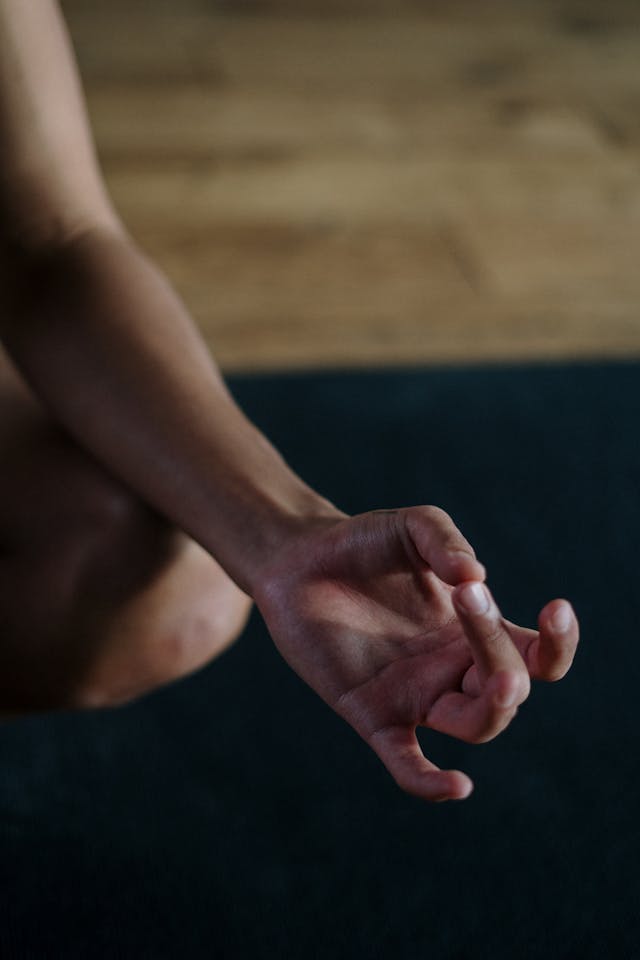
How Breathwork Helps Calm Anxiety and Heal Stress—Naturally
Stress and anxiety have quietly become background noise in modern life. Tight deadlines, constant notifications, financial pressure, and emotional overload keep the nervous system stuck in a near-permanent state of alert. Over time, this chronic “fight-or-flight” mode drains energy, disrupts sleep, clouds thinking, and weakens resilience.
Yet one of the most powerful tools for calming the mind and body is always with us: our breath.
Breathwork—intentional, controlled breathing—offers a simple, natural way to reset the nervous system, reduce anxiety, and restore a sense of calm. It requires no equipment, no medication, and no special environment. Just a few conscious minutes can make a measurable difference.
Why Breathing Works When Stress Takes Over
Breathing is unique because it sits at the crossroads of the conscious and unconscious body. While breathing usually happens automatically, we can also control it—giving us direct access to the nervous system.
Slow, deliberate breathing activates the parasympathetic nervous system, often called the “rest and digest” mode. This counteracts the stress response by:
-
Slowing heart rate
-
Lowering blood pressure
-
Reducing cortisol (the stress hormone)
-
Improving heart rate variability (a marker of resilience)
-
Calming overactive brain circuits linked to anxiety
Research consistently shows that structured breathing practices practiced for at least 5 minutes, and repeated over time, significantly reduce stress and anxiety across both clinical and non-clinical populations.
In short: when you slow your breath, your body gets the signal that it is safe to relax.
The Hidden Reason Stress Feels So Overwhelming
When stress becomes chronic, breathing patterns change without us noticing. Breaths become shallow, fast, and chest-based. This sends constant “danger” signals to the brain—even when no real threat exists.
Breathwork reverses this loop. Instead of stress controlling your breath, you use your breath to calm stress.
Simple, Effective Breathwork Techniques for Daily Calm
You don’t need to master all techniques. Even one practiced consistently can create lasting change.
1. Diaphragmatic (Belly) Breathing
Best for: Everyday stress and nervous tension
This foundational practice trains the body to breathe deeply and efficiently.
How to practice:
-
Sit or lie comfortably
-
Place one hand on your chest, one on your belly
-
Inhale through your nose, allowing your belly to rise
-
Exhale slowly through pursed lips
-
Keep the chest relatively still
Practice for 5–10 minutes. Over time, this becomes your natural breathing pattern.
2. Box Breathing (4-4-4-4)
Best for: Acute stress, overwhelm, mental focus
Used by athletes and first responders, this technique brings fast calm.
Pattern:
-
Inhale for 4
-
Hold for 4
-
Exhale for 4
-
Hold empty for 4
Repeat for several rounds until your breathing slows naturally.
3. 4-7-8 Breathing
Best for: Anxiety, racing thoughts, sleep
The extended exhale deeply relaxes the nervous system.
How it works:
-
Inhale through the nose for 4
-
Hold for 7
-
Exhale through the mouth for 8
Repeat up to 4 cycles. This is especially effective before bed.
4. Alternate Nostril Breathing (Nadi Shodhana)
Best for: Mental balance and emotional regulation
This ancient practice gently balances the nervous system.
How to practice:
-
Inhale through one nostril while closing the other
-
Switch sides for the exhale
-
Continue alternating slowly
Keep the breath smooth and unforced.
5. Resonant (Coherent) Breathing
Best for: Long-term stress resilience
This technique involves breathing at about 5 breaths per minute, which maximizes nervous system balance.
Try this rhythm:
-
Inhale for 5
-
Exhale for 5
Continue for at least 5 minutes.
6. Humming Breath (Bhramari)
Best for: Emotional release and mental clarity
The gentle vibration created by humming calms the brain.
How to practice:
-
Inhale through the nose
-
Exhale slowly while humming
-
Feel the vibration in your face and head
This can create immediate calm.
What Science Tells Us About Effective Breathwork
Large reviews of clinical studies reveal that breathwork is most effective when it includes:
-
Slow or moderate breathing (not fast-only patterns)
-
Sessions longer than 5 minutes
-
Repeated practice over days or weeks
-
Clear instruction or guided training, especially at the start
Short, rushed sessions or overly technical practices without guidance are less effective—and sometimes counterproductive.
Consistency matters more than perfection.
How to Make Breathwork a Habit (Without Overthinking It)
You don’t need a perfect routine. You need a realistic one.
-
Practice 5–10 minutes daily
-
Choose a quiet moment (morning, lunch break, or before sleep)
-
Pair breathwork with an existing habit (after brushing teeth, before emails)
-
Let the breath feel natural—not forced
-
Stop if you feel dizzy or uncomfortable
If you have medical conditions or are pregnant, consult a healthcare professional before starting.
How You’ll Feel Over Time
With regular practice, people often report:
-
Less reactivity to stress
-
Improved sleep quality
-
Clearer thinking
-
Reduced physical tension
-
Greater emotional balance
Breathwork doesn’t remove life’s challenges—but it changes how your body responds to them.
The Quiet Power of the Breath
In a world that constantly demands more, breathwork offers something radical: permission to slow down.
No apps. No subscriptions. No pressure to perform.
Just a steady breath reminding your nervous system that you are safe, grounded, and capable of calm—even in chaos.
Sometimes healing doesn’t come from doing more.
Sometimes it begins with simply breathing better.