Exploring the Link Between Mindfulness Meditation and Creative Thinking
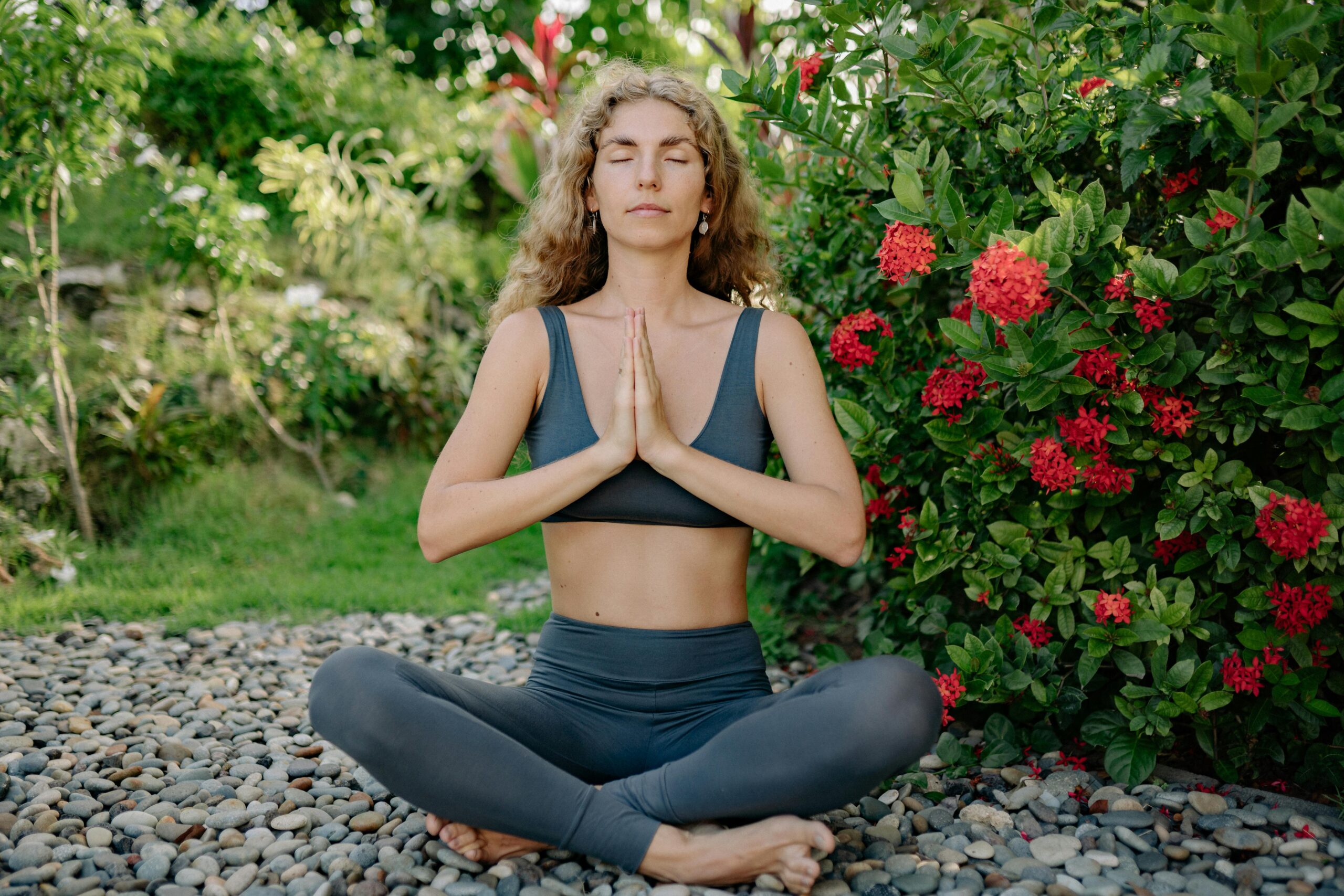
Mindfulness meditation, derived from ancient Buddhist practices, has evolved into a widely recognized approach for cultivating mental clarity and well-being. At its core, mindfulness involves maintaining focused awareness of the present moment—observing thoughts, emotions, bodily sensations, and environmental stimuli without judgment. This practice emphasizes acceptance, non-reactivity, and openness, helping individuals regulate emotions, reduce rumination, and strengthen psychological resilience.
Mindfulness and Cognitive Function
In recent decades, mindfulness has gained increasing attention for its cognitive benefits. By promoting sustained attention and awareness, mindfulness helps practitioners detach from habitual thought patterns and stress-related distractions, which can hinder creative problem-solving. Techniques such as breath-focused meditation guide individuals to anchor their attention while gently observing thoughts and feelings, fostering calmness and mental clarity. This heightened awareness supports cognitive flexibility, emotional regulation, and the ability to approach challenges with a fresh perspective—skills that are essential for creative thinking.
Understanding Creative Thinking
Creative thinking involves generating novel ideas, solutions, or perspectives by connecting seemingly unrelated concepts. It includes divergent thinking (producing multiple solutions), problem-solving (analyzing and overcoming challenges with innovative strategies), and originality (developing unique approaches). Creative thinking is critical not only in artistic pursuits but also in scientific research, technological innovation, and business problem-solving, as it drives progress and adaptation in a rapidly changing world.
The Connection Between Mindfulness and Creativity
Research increasingly shows that mindfulness and creativity are closely linked. Mindfulness practice appears to enhance divergent thinking by clearing cognitive clutter and promoting openness to new ideas. Neuroimaging studies indicate that meditation affects brain networks involved in spontaneous thought and imagination, including the default mode network, which supports novel associations and creative insights. Even short periods of mindfulness practice have been found to boost creative output by fostering focus, reducing anxiety, and promoting a receptive mental state conducive to innovative thinking.
How Mindfulness Supports Creative Processes
Mindfulness enhances creativity through several mechanisms. First, it improves focus by training individuals to sustain attention on tasks and reduce mental distractions. Second, it reduces stress and anxiety, which are known barriers to creative thinking. Third, mindfulness fosters a positive mood, broadening perspectives and encouraging associative thinking. Finally, its emphasis on non-judgmental awareness diminishes fear of failure, allowing individuals to explore bold and unconventional ideas without self-criticism. These combined effects create an optimal mental environment for creative problem-solving and artistic expression.
Practical Techniques for Enhancing Creativity
Several mindfulness practices can be applied to support creative thinking:
-
Breath Awareness: Focusing on the rhythm of inhalation and exhalation to calm the mind and allow ideas to emerge naturally.
-
Mindful Observation: Studying an object or scene attentively to notice details without judgment, which encourages fresh perspectives.
-
Guided Visualization: Engaging in meditative imagery exercises to spark imagination and encourage novel associations.
Even brief daily sessions using these techniques can enhance creative insight, mental clarity, and emotional resilience.
Real-World Examples
Many creatives report that mindfulness practice has positively influenced their work. Writer Elizabeth Gilbert credits meditation with enhancing her focus and access to inspiration. Artist Jeff Koons attributes part of his innovative output to the clarity and mental space afforded by mindfulness. Even in scientific research, mindfulness has been shown to support divergent thinking, enabling novel solutions to complex problems. These examples demonstrate the wide applicability of mindfulness in fostering creativity across disciplines.
Challenges and Misconceptions
Despite its benefits, mindfulness is often misunderstood. Some believe it suppresses creativity or requires extensive practice to be effective. In reality, mindfulness encourages open awareness rather than rigid control, and even brief periods can enhance focus and innovative thinking. By reducing stress and self-criticism, mindfulness creates conditions for creative ideas to flourish rather than restricting them.
Conclusion
Mindfulness meditation is a powerful tool for enhancing creativity. By cultivating present-moment awareness, reducing mental clutter, and promoting emotional balance, mindfulness supports divergent thinking, problem-solving, and originality. Its practices can be applied across artistic, scientific, and professional contexts, fostering both personal growth and innovative output. Integrating mindfulness into daily routines allows individuals to unlock their creative potential, overcome mental blocks, and engage more deeply with their work.