Breathe Easy Mastering Breathing Exercises to Relax Your Mind and Body
Breathing Exercises
Breathing exercises are purposeful techniques designed to regulate the breath and bring balance to both the mind and body. Far more than an automatic bodily function, breathing has a direct influence on our physical health, emotional stability, and mental clarity. When practiced consciously, controlled breathing can ease stress, restore calm, and improve overall well-being.
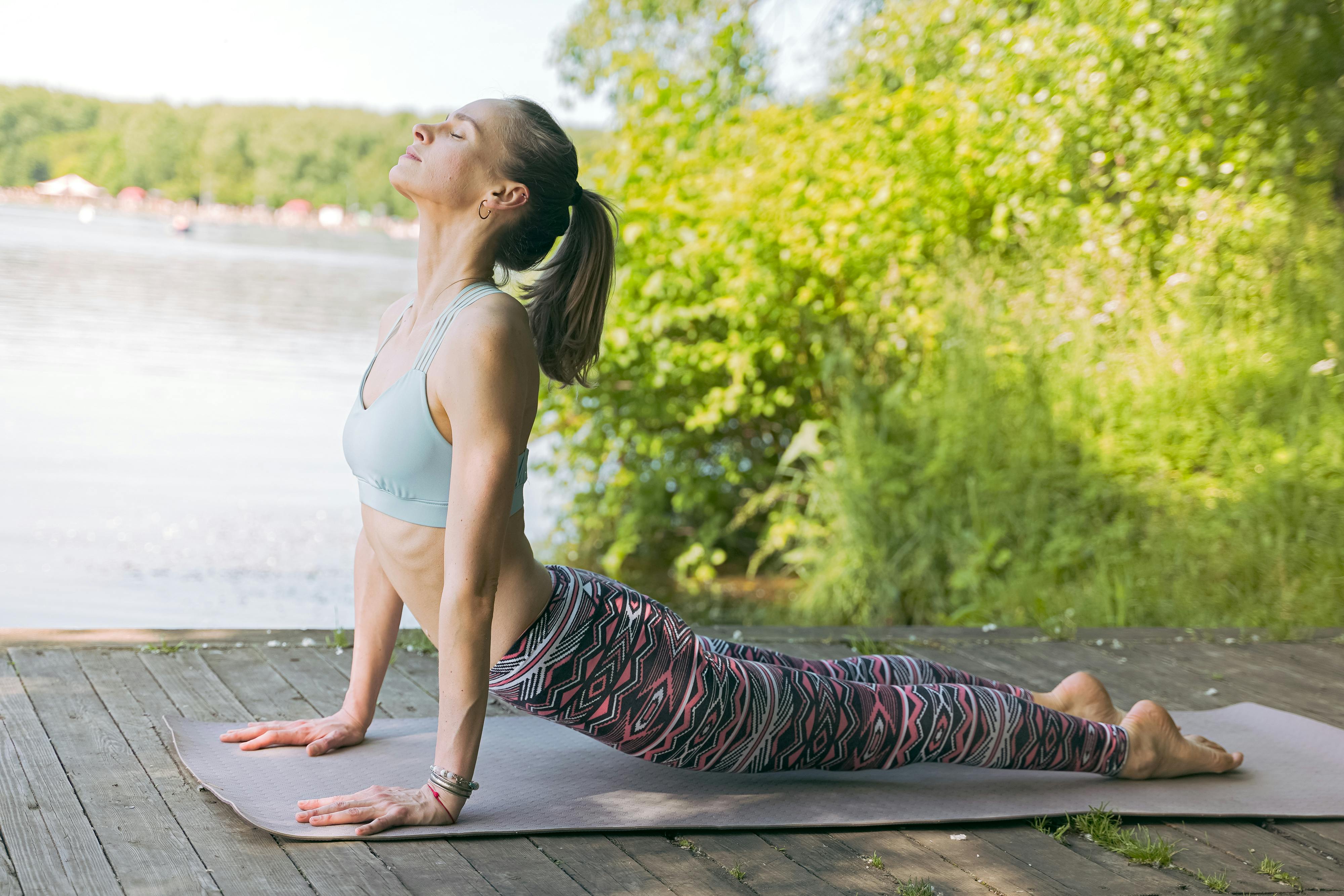
At a physiological level, breathing exercises help regulate oxygen intake and carbon dioxide release—both essential for sustained energy and healthy bodily function. Slow, deep breathing activates the parasympathetic nervous system, which counteracts the body’s stress response. This shift promotes relaxation, lowers heart rate, and creates a sense of inner calm that is often disrupted by rapid, shallow breathing during stressful situations.
Psychologically, breathing exercises support focus, emotional balance, and mindfulness. With regular practice, individuals become more aware of their thoughts and emotional patterns, making it easier to manage stress and respond thoughtfully rather than react impulsively. Over time, conscious breathing can sharpen concentration, improve mood, and support greater mental resilience in daily life.
Ultimately, breathing exercises offer more than momentary relaxation. They form part of a holistic wellness approach that harmonizes mental and physical health. Whether the goal is easing anxiety, improving focus, or cultivating emotional balance, mindful breathing provides a simple yet powerful pathway toward a healthier, more centered life.
Understanding the Science of Breath
Breathing plays a vital role in human physiology and is closely linked to emotional and mental states through the autonomic nervous system (ANS). The ANS controls involuntary processes such as heart rate, digestion, and breathing rhythms. It consists of two main branches: the sympathetic nervous system, which governs the body’s stress or “fight-or-flight” response, and the parasympathetic nervous system, which supports relaxation and recovery.
During periods of stress, breathing often becomes shallow and rapid, activating the sympathetic response and increasing tension and anxiety. In contrast, deep diaphragmatic breathing engages the parasympathetic system, encouraging relaxation and restoring balance. Studies have shown that controlled breathing can lower cortisol levels—the hormone most closely associated with stress—thereby supporting emotional well-being.
Research across psychology and neuroscience continues to highlight the link between breathing patterns and mental states. Individuals who regularly practice slow, intentional breathing often report reduced anxiety, improved mood, and enhanced mental clarity. These benefits explain why breathing exercises are central to mindfulness practices, yoga, and meditation traditions worldwide.
By understanding the science behind breath control, individuals can use breathing exercises more intentionally—transforming them into practical tools for stress management, emotional regulation, and overall health.
Types of Breathing Exercises
Breathing techniques come in many forms, each offering unique benefits. They can be broadly grouped into deep breathing techniques, rhythmic breathing patterns, and specialized practices rooted in mindfulness or yogic traditions.
Deep breathing techniques focus on fully engaging the diaphragm to maximize oxygen intake and promote relaxation. Abdominal breathing is a common example, where the abdomen expands during inhalation and gently contracts during exhalation. This method helps calm the nervous system and reduce physical tension.
Rhythmic breathing emphasizes timing and consistency. Techniques such as 4-7-8 breathing—inhale for four counts, hold for seven, and exhale for eight—help regulate the heart rate and encourage mental stillness. These patterns foster awareness of the breath while easing stress and anxiety.
Specialized breathing practices, including mindfulness-based breathing and pranayama, deepen the connection between breath and awareness. Mindfulness breathing anchors attention in the present moment, while pranayama techniques like alternate nostril breathing are designed to balance energy and calm the mind.
By exploring different styles, individuals can choose breathing exercises that best align with their personal needs and wellness goals.
The Practice of Deep Breathing
Deep breathing is a foundational technique that promotes relaxation, focus, and emotional balance. To practice effectively, begin by finding a comfortable seated or lying position with a straight spine and relaxed shoulders.
Inhale slowly through your nose, allowing your abdomen to expand as your lungs fill with air. Count to four as you breathe in, maintaining a steady and gentle pace. Pause briefly at the top of the inhalation, then exhale slowly through your mouth or nose for six to eight counts, fully releasing tension from the body.
Making the exhalation longer than the inhalation signals the nervous system to relax. Practicing this technique for five to ten minutes daily can significantly reduce stress and enhance mental clarity. Over time, deep breathing becomes a reliable tool for grounding yourself during moments of overwhelm.
Integrating Breathing Exercises into Daily Life
Incorporating breathing exercises into everyday routines makes them easier to maintain and more effective. Short breathing sessions during work breaks can refresh focus and ease mental fatigue. Even a few minutes of slow breathing can restore clarity and calm.
Commuting is another ideal time to practice mindful breathing. Whether driving or using public transport, focusing on controlled inhalation and exhalation can reduce stress and promote emotional balance.
Before bedtime, gentle breathing exercises help signal the body that it is time to rest. Slow, rhythmic breathing can quiet the mind and support deeper, more restorative sleep. By creating consistent breathing habits, individuals can cultivate calm throughout the day.
Breathing Exercises for Stress Relief
Certain breathing techniques are especially effective for reducing stress and anxiety:
-
4-7-8 Breathing: Encourages relaxation by slowing the breath and calming the nervous system.
-
Box Breathing: Uses equal counts for inhaling, holding, exhaling, and pausing, helping stabilize emotions and enhance focus.
-
Alternate Nostril Breathing: A traditional yogic technique that balances energy and promotes mental clarity.
Practicing these methods regularly can significantly lower stress levels and build emotional resilience over time.
Visualization and Breathwork
Visualization enhances breathing exercises by engaging the imagination. While breathing deeply, visualizing peaceful environments—such as a calm ocean or a quiet forest—can deepen relaxation. Imagining stress leaving the body with each exhalation reinforces the calming effect of breathwork.
Visualization can also be goal-oriented. Breathing in confidence and breathing out fear helps reframe negative thought patterns and cultivate emotional strength. Guided imagery recordings can further support this practice, especially for beginners.
Mindfulness and Breathing
Mindfulness and breathing exercises complement each other naturally. Mindful breathing brings awareness to the present moment, reducing mental clutter and emotional reactivity. By observing the breath without judgment, individuals develop greater emotional regulation and inner stability.
A simple mindful breathing practice involves focusing on the sensation of air entering and leaving the body. When thoughts arise, gently return attention to the breath. Practiced consistently, this technique strengthens awareness, calmness, and emotional clarity.
Conclusion: Embracing the Power of Breath
Breathing exercises are powerful, accessible tools for enhancing mental clarity, emotional balance, and physical well-being. Through consistent practice, they foster mindfulness, reduce stress, and support overall health.
By making breath awareness part of daily life, individuals gain a dependable source of calm that can be accessed anytime. Journaling experiences before and after breathing sessions can deepen self-awareness and encourage consistency.
Ultimately, mastering the breath is a journey toward greater presence and inner balance. With patience and regular practice, breathing exercises become a lifelong ally—supporting a calmer, healthier, and more fulfilling way of living.